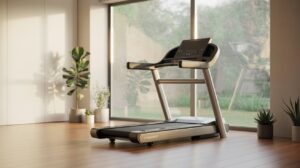
Introduction: Why Choosing the Right Home Treadmill Matters
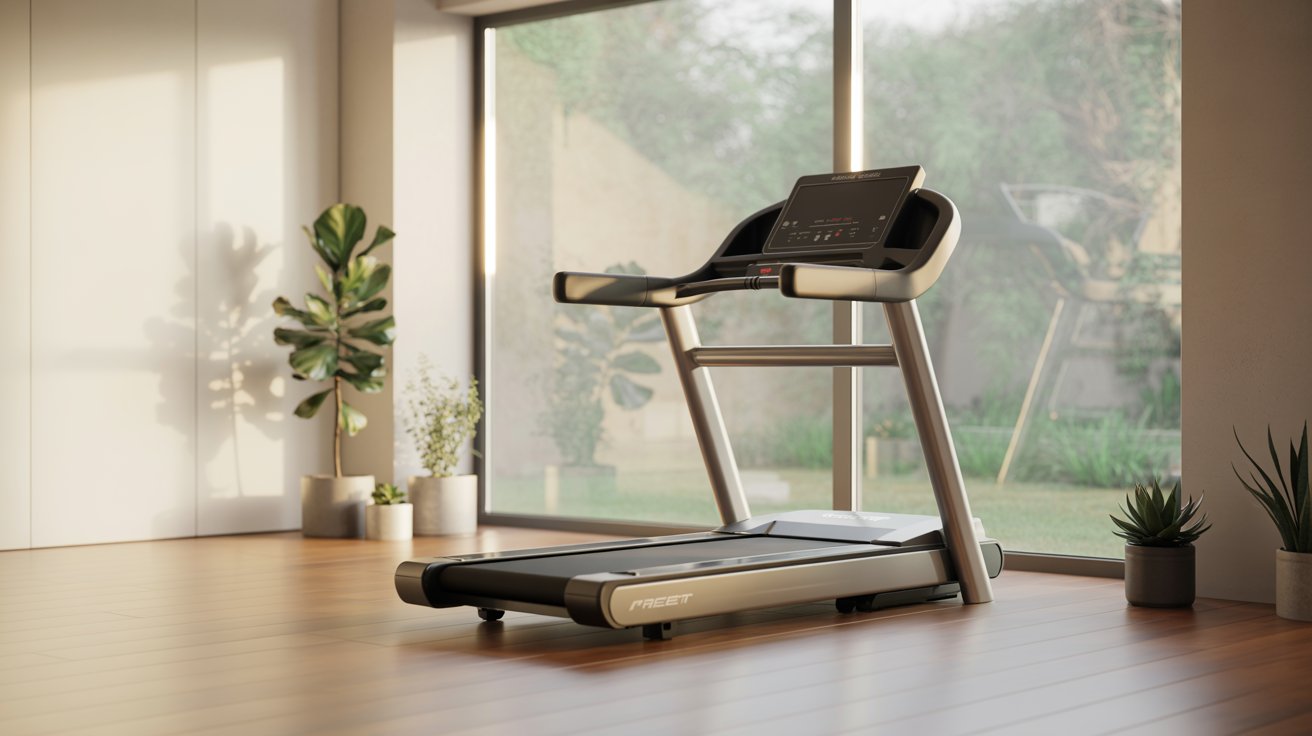
Let’s be honest—sticking to a fitness routine is hard enough. Add bad weather, busy schedules, crowded gyms, and sudden drops in motivation, and working out can feel like a losing battle. That’s exactly why owning the best treadmill for home use can be a game-changer. It puts fitness on your schedule, not the other way around. Early morning walk? Late-night run? Ten minutes between meetings? Your treadmill is always ready.
But here’s the catch: not all treadmills are created equal. Choosing the wrong one can lead to frustration, wasted money, or worse—an expensive coat rack collecting dust in the corner. The right treadmill, on the other hand, feels like a personal trainer, a stress reliever, and a long-term investment rolled into one sleek machine.
Home treadmills today come packed with features—powerful motors, smart screens, foldable frames, and whisper-quiet operation. Yet more features don’t always mean better. What truly matters is how well the treadmill fits your goals, your space, and your lifestyle. Think of it like buying shoes. The best pair isn’t the most expensive one—it’s the one that fits perfectly and feels right every time you use it.
In this guide, we’ll break everything down in plain, simple language. No tech jargon. No fluff. Just real-world advice to help you find the perfect treadmill for your home—whether you’re a beginner walker, a serious runner, or someone trying to squeeze workouts into a small apartment.

Understanding Your Fitness Goals Before Buying a Treadmill
Before you even look at treadmill models, screens, or price tags, you need to answer one simple question: Why are you buying a treadmill? This isn’t just a philosophical exercise—it directly impacts the type of treadmill you should choose. Buying a high-powered running treadmill when you only plan to walk is like buying a sports car for grocery runs. Overkill, expensive, and unnecessary.
Walking vs Jogging vs Running
Walking treadmills are built differently from running treadmills. If your main goal is light walking—maybe for daily steps, recovery workouts, or staying active during work hours—you don’t need a massive motor or a wide running belt. A basic treadmill with moderate speed settings and a compact design will do the job perfectly.
Joggers need a bit more stability, a slightly wider belt, and better cushioning. Jogging creates more impact than walking, so shock absorption becomes important to protect your joints. Runners, especially long-distance or high-speed runners, need the most robust setup—strong motors, wide belts, and solid frames that won’t shake or wobble under pressure.
Weight Loss, Endurance, or Rehab Purposes
If weight loss is your primary goal, consistency matters more than speed. Incline features become valuable here because walking or running uphill burns more calories in less time. Endurance training requires preset programs and speed control to simulate real-world running conditions. Rehab or recovery users should prioritize cushioning, handrails, and smooth speed transitions to reduce stress on joints.
How Goals Influence Motor Power and Features
Your goals dictate the motor power you need. Walkers can do fine with lower horsepower motors, while runners should look for stronger continuous-duty motors for smooth, uninterrupted performance. Choosing based on goals ensures your treadmill works with you, not against you—and keeps you motivated long-term.
Types of Treadmills for Home Use
Not every treadmill is designed the same, and understanding the main types can save you from buyer’s remorse. The best treadmill for home use depends largely on how much space you have, how often you’ll use it, and what kind of workouts you prefer.
Manual Treadmills
Manual treadmills are powered entirely by your movement. No electricity, no motor—just pure effort. They’re usually lightweight, affordable, and compact, making them appealing for small spaces or tight budgets. However, they require more effort to keep the belt moving, which can feel unnatural for some users.
These treadmills are best suited for light walking and short workouts. They’re not ideal for beginners who want a smooth experience or for users with joint issues. Think of manual treadmills as the “bicycle with no gears” of the treadmill world—simple, effective, but not for everyone.
Motorized Treadmills
Motorized treadmills are the most popular choice for home use—and for good reason. They offer consistent belt movement, adjustable speed, incline options, and workout programs. Whether you’re walking, jogging, or sprinting, motorized treadmills provide a smoother, more controlled experience.
They require electricity and are generally more expensive, but the comfort and versatility they offer make them worth it for most users. If you want a treadmill that grows with your fitness level, this is the category to focus on.
Folding Treadmills
Folding treadmills are designed with home users in mind. They offer full functionality while allowing you to fold the deck upright when not in use. This is a lifesaver for apartments, shared rooms, or anyone who doesn’t want a treadmill permanently dominating their space.
Under-Desk and Compact Treadmills
These ultra-compact models are perfect for light walking while working or for very limited spaces. They’re not designed for running but shine when it comes to convenience and portability. If your goal is simply to move more throughout the day, these treadmills can be surprisingly effective.
Key Features to Look for in the Best Home Treadmill
Features can make or break your treadmill experience. While flashy screens and apps look impressive, the real magic lies in the fundamentals.
Motor Power and Performance
The motor is the heart of the treadmill. For home use, continuous horsepower matters more than peak horsepower. Walkers can get by with lower power motors, while runners should aim for stronger motors to ensure smooth performance and longer lifespan. A weak motor strains easily, heats up faster, and wears out sooner.
Running Surface and Belt Size
A comfortable running surface gives you confidence with every step. Narrow belts can feel restrictive, especially during faster workouts. Taller users or runners should look for longer belts to allow natural strides. A good belt size reduces the risk of missteps and improves overall comfort.
Incline and Speed Options
Incline adds variety and intensity to your workouts. Even a modest incline can dramatically increase calorie burn. Speed options matter too—having room to progress keeps workouts challenging and engaging over time.
Cushioning and Shock Absorption
Good cushioning protects your joints, especially if you plan to use the treadmill frequently. It reduces impact on knees and ankles, making workouts more comfortable and sustainable long-term.
Space and Storage Considerations
One of the most overlooked factors when choosing the best treadmill for home use is space. It’s easy to get excited about features and performance, but if the treadmill doesn’t fit comfortably in your home, it quickly becomes a problem. A treadmill should blend into your lifestyle, not disrupt it. Before buying, think carefully about where it will live, how often it will be moved, and how much room you truly have.
Measuring Your Room Correctly
Start with the basics: measure your available space. Don’t just measure the floor area—consider ceiling height too. Many people forget that incline workouts raise the deck, and taller users need extra headroom. A treadmill placed under a low ceiling can feel cramped or even unsafe. Ideally, you want a few extra feet of clearance behind the treadmill in case you need to step off quickly.
Also think about airflow and surroundings. A treadmill squeezed into a tight corner with no ventilation can feel uncomfortable during longer workouts. Good placement makes workouts more enjoyable, which means you’re more likely to stick with them.
Foldable vs Non-Foldable Models
Foldable treadmills are a favorite for home users—and for good reason. They allow you to reclaim your space after workouts. Many modern folding treadmills use hydraulic systems that make lifting and lowering the deck smooth and safe, even for one person.
Non-foldable treadmills, on the other hand, tend to be sturdier and are often preferred by serious runners. If you have a dedicated workout room or garage gym, a non-foldable model can be a solid long-term choice. The key is matching the design to your living situation.
Portability and Wheels
Built-in transport wheels might seem like a small detail, but they matter more than you think. If you plan to move the treadmill frequently—say, from a bedroom to a living room—wheels make life much easier. A treadmill that’s easy to move is more likely to be used regularly instead of avoided because it’s “too much effort” to set up.
Noise Levels and Home-Friendly Design
Noise can make or break your treadmill experience, especially if you live with others or in an apartment. The best treadmill for home use should work quietly in the background, not announce every step you take.
Why Quiet Operation Matters
A loud treadmill can be disruptive—not just to others, but to you. Constant motor noise can kill motivation, making workouts feel stressful instead of relaxing. If you plan to watch TV, listen to music, or work while walking, quiet operation becomes essential.
Motor Type and Noise Reduction
Higher-quality motors tend to run smoother and quieter. Cheap motors often whine, rattle, or vibrate, especially at higher speeds. Noise also comes from poor belt alignment or weak frames, so overall build quality plays a huge role.
Some treadmills include noise-reduction technology or insulated motor housings. While no treadmill is completely silent, a well-built one should produce a consistent, low hum rather than harsh mechanical sounds.
Apartment and Shared Space Considerations
If you live in an apartment, shock absorption becomes even more important. Less impact means less vibration transferring through the floor. Using a treadmill mat can also help reduce noise and protect flooring. Being considerate of neighbors doesn’t mean sacrificing fitness—it just means choosing wisely.
Technology and Smart Features in Modern Treadmills
Today’s treadmills are smarter than ever. While you don’t need advanced tech to get fit, the right features can make workouts more engaging and enjoyable.
Touchscreens and Display Consoles
A clear, easy-to-read display is essential. Whether it’s a basic LED screen or a full touchscreen, you should be able to track speed, distance, time, calories, and heart rate at a glance. Touchscreens often come with interactive workouts, scenic routes, and guided training sessions that keep boredom at bay.
App Connectivity and Virtual Training
Many treadmills now connect to fitness apps that offer structured programs, virtual races, or on-demand classes. These features add variety and accountability, making it easier to stay consistent. It’s like having a coach built into your treadmill.
Bluetooth, Wi-Fi, and Heart Rate Monitoring
Bluetooth allows you to connect headphones, speakers, or heart rate monitors. Wi-Fi enables software updates and online content. Heart rate tracking helps you train smarter by staying in the right intensity zone. While not mandatory, these features can significantly enhance your experience.
Safety Features You Should Never Ignore
Safety isn’t glamorous, but it’s non-negotiable. The best treadmill for home use prioritizes your well-being at all times.
Emergency Stop and Safety Keys
A safety key that clips to your clothing is essential. If you slip or lose balance, the treadmill stops immediately. This small feature can prevent serious injuries, especially during high-speed workouts.
Handrails and Stability
Sturdy handrails provide support during warm-ups, cool-downs, or balance issues. The frame should feel solid, not shaky. A stable treadmill boosts confidence and reduces the risk of accidents.
Child and Pet Safety
If you have kids or pets, look for treadmills with lock features or power-off options. Curiosity and moving belts don’t mix well, so extra precautions are always worth it.
Best Treadmills for Beginners
If you’re new to fitness, the last thing you need is an intimidating machine. Beginner-friendly treadmills focus on simplicity, comfort, and affordability.
Easy-to-Use Controls
Simple buttons, quick-start options, and intuitive interfaces make workouts stress-free. You shouldn’t need a manual just to start walking.
Budget-Friendly Options
Beginners don’t need top-tier specs. A reliable treadmill with basic speed control, light incline, and decent cushioning is more than enough to build consistency.
Recommended Specs for Beginners
Look for moderate speed ranges, comfortable belt sizes, and quiet operation. The goal is to create a positive experience that encourages regular use.
Best Treadmills for Serious Runners
Serious runners demand more—and rightly so. A treadmill for running should feel powerful, responsive, and durable.
High-Performance Motors
Strong motors ensure smooth operation at high speeds without overheating. They’re built for longer sessions and frequent use.
Advanced Training Programs
Interval training, hill simulations, and customizable workouts help runners improve performance. These features mimic outdoor running challenges.
Durability and Long-Term Use
Heavy-duty frames, high weight capacity, and premium components ensure the treadmill can handle intense use for years.
Best Compact Treadmills for Small Homes
Not everyone has space for a full-size treadmill, and that’s okay.
Space-Saving Designs
Slim profiles, vertical folding, and under-bed storage make compact treadmills perfect for apartments and small homes.
Under-Bed and Fold-Away Models
These models prioritize convenience. While they’re not built for sprinting, they’re excellent for walking and light jogging.
Pros and Cons of Compact Units
The biggest advantage is space efficiency. The trade-off is limited speed and incline options. It’s all about matching expectations with reality.
Budget vs Premium Treadmills
Price often reflects quality—but not always.
What You Get at Different Price Points
Budget treadmills cover the basics. Mid-range models balance features and durability. Premium treadmills offer advanced tech, powerful motors, and superior comfort.
Is an Expensive Treadmill Worth It?
If you’ll use it regularly, yes. A higher upfront cost often means better longevity and fewer repairs.
Long-Term Value and Warranty
Always check the warranty. A good warranty signals confidence in the product and protects your investment.
Maintenance and Longevity of Home Treadmills
A treadmill is like a car—it needs care.
Cleaning and Lubrication
Regular cleaning prevents dust buildup. Lubricating the belt reduces friction and extends motor life.
Common Problems and Fixes
Most issues stem from neglect. Strange noises, slipping belts, or error codes often have simple solutions.
Extending the Life of Your Treadmill
Routine maintenance keeps your treadmill running smoothly for years, saving money in the long run.
Energy Efficiency and Power Consumption
Home treadmills do use electricity, but smart choices minimize costs.
Electricity Usage Explained
Most treadmills use about the same power as household appliances. Usage depends on speed, incline, and session length.
Eco-Friendly Treadmill Options
Energy-efficient motors and auto-power-off features reduce consumption.
Cost of Ownership Over Time
A slightly more expensive, efficient treadmill can cost less over time than a cheap, power-hungry model.
Comparing Top Home Treadmill Brands
Brand reputation matters.
Brand Reputation and Reliability
Established brands often offer better quality control and support.
Customer Support and Service
Responsive support makes a huge difference when issues arise.
Availability of Spare Parts
Easy access to parts ensures long-term usability.
How to Choose the Best Treadmill for Your Budget
Smart buying beats impulsive buying.
Setting a Realistic Budget
Decide what you can afford without stretching too far.
Must-Have vs Nice-to-Have Features
Focus on essentials first. Extras are bonuses, not necessities.
Avoiding Common Buying Mistakes
Don’t buy based on looks alone. Function always comes first.
Final Buying Checklist Before You Decide
Before clicking “buy,” double-check space, budget, features, warranty, and user reviews. A few minutes of thought can save years of regret.
Conclusion: Finding the Best Treadmill for Home Use
The best treadmill for home use isn’t the most expensive or the most popular—it’s the one that fits you. Your goals, your space, your budget. When chosen wisely, a treadmill becomes more than a machine. It becomes a daily habit, a stress reliever, and a powerful tool for long-term health. Invest thoughtfully, use it consistently, and your future self will thank you.
FAQs
- Is a treadmill good for daily home workouts?
Yes, it’s excellent for consistent, low-impact cardio. - How much should I spend on a home treadmill?
Enough to meet your needs without overpaying for unused features. - Can a treadmill damage floors at home?
Not if you use a proper treadmill mat. - How long does a home treadmill last?
With good maintenance, 7–12 years or more. - Is walking on a treadmill as effective as outdoor walking?
Yes, and incline settings can make it even more effective.